Making the choice to quit drinking requires courage and bravery. The process of detoxing is challenging, especially if you experience the alcohol shakes.


Making the choice to quit drinking requires courage and bravery. The process of detoxing is challenging, especially if you experience the alcohol shakes.

Secret alcoholism can hide behind daily routines, with subtle warning signs like tolerance, mood changes, memory gaps, and isolation, revealing when drinking becomes a coping tool.

A functioning addict typically believes that they are different than addicts who no longer have it together. But what does this term really mean? How are the effects of their addiction any different?

Yoga can strengthen addiction recovery by supporting stress relief, emotional balance, mindfulness, physical health, self-discipline, and healthier ways to manage cravings.

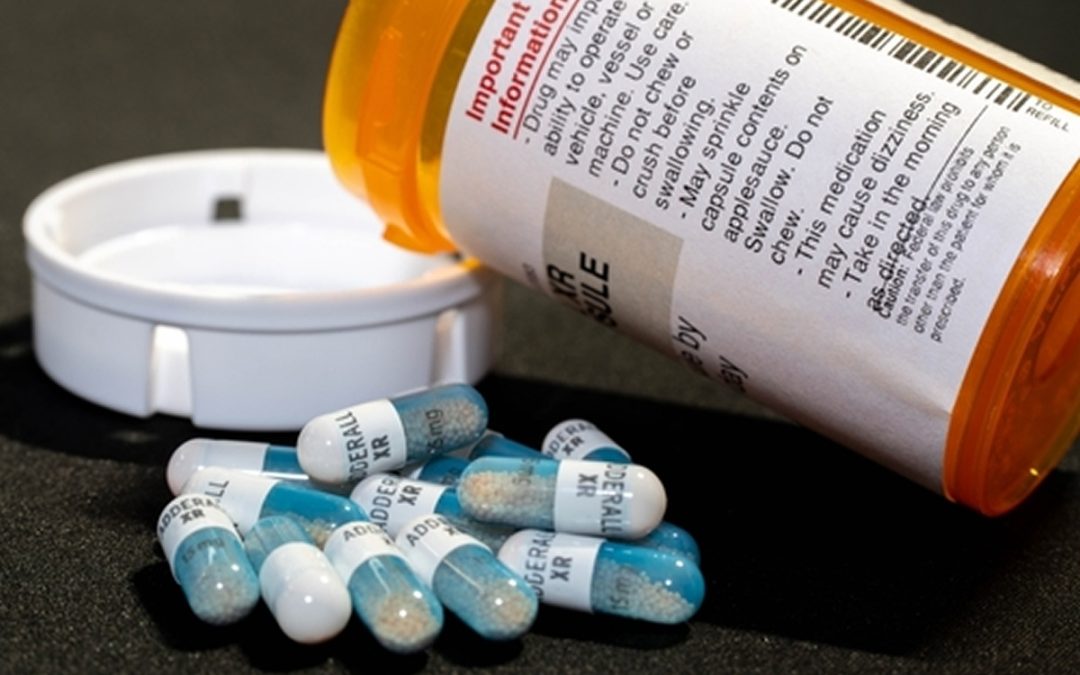
Prescription drug addiction can develop quietly from everyday medications, leading to dependence, withdrawal symptoms, and growing life consequences without timely treatment and support.

Sleep plays a key role in opiate addiction recovery by supporting withdrawal management, emotional stability, craving control, and the body’s healing process.

Addiction stereotypes can delay help and increase shame. This guide covers early signs, supportive language, family steps, and recovery options including detox, residential, and IOP.

Alcohol use disorder builds from genetics, brain reward circuits, and life factors like stress. Recognize warning signs and understand treatment paths that support recovery.
Opioid addiction can change the brain, increase relapse risk, and require long-term treatment, structured support, and recovery planning for more stable outcomes over time.

Life after rehab involves rebuilding routines, managing cravings, and navigating daily stress while learning how to stay grounded and supported beyond structured treatment.