Consistent self-care helps protect long-term recovery by improving physical health, managing stress, strengthening emotional resilience, and supporting healthy routines that reduce relapse risks.


Consistent self-care helps protect long-term recovery by improving physical health, managing stress, strengthening emotional resilience, and supporting healthy routines that reduce relapse risks.

One of the most challenging aspects of recovering from substance abuse is learning how to cope with triggers—situations, people, or emotions that can prompt cravings.
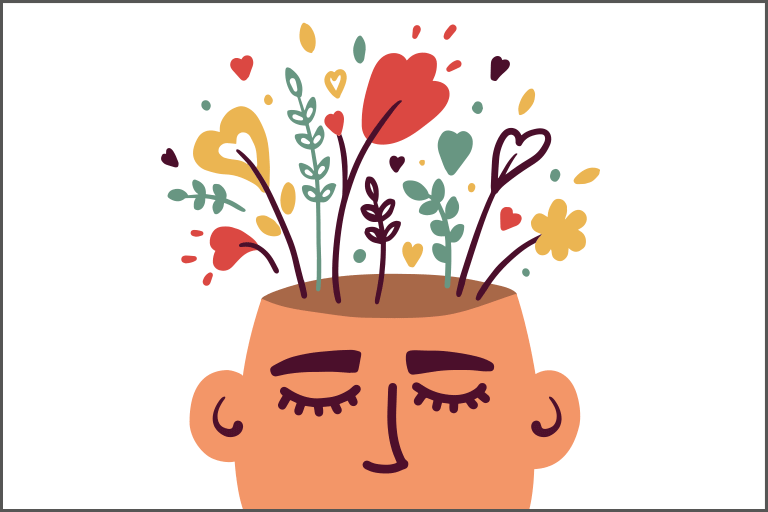
Mindfulness supports addiction recovery by helping people manage cravings, recognize triggers, regulate difficult emotions, and make healthier choices during stressful or uncertain moments.
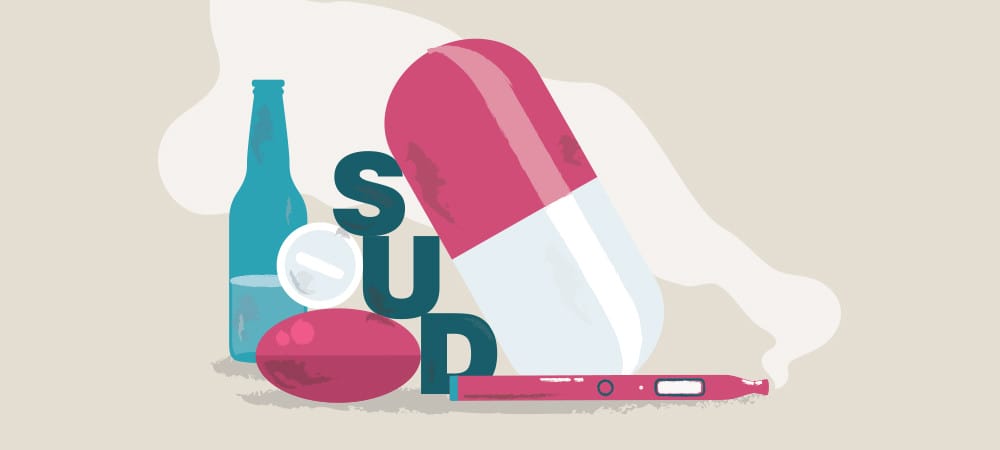
Substance Use Disorder impacts physical health, emotional balance, relationships, and daily routines, while recovery support helps restore stability, reduce cravings, and rebuild quality of life.
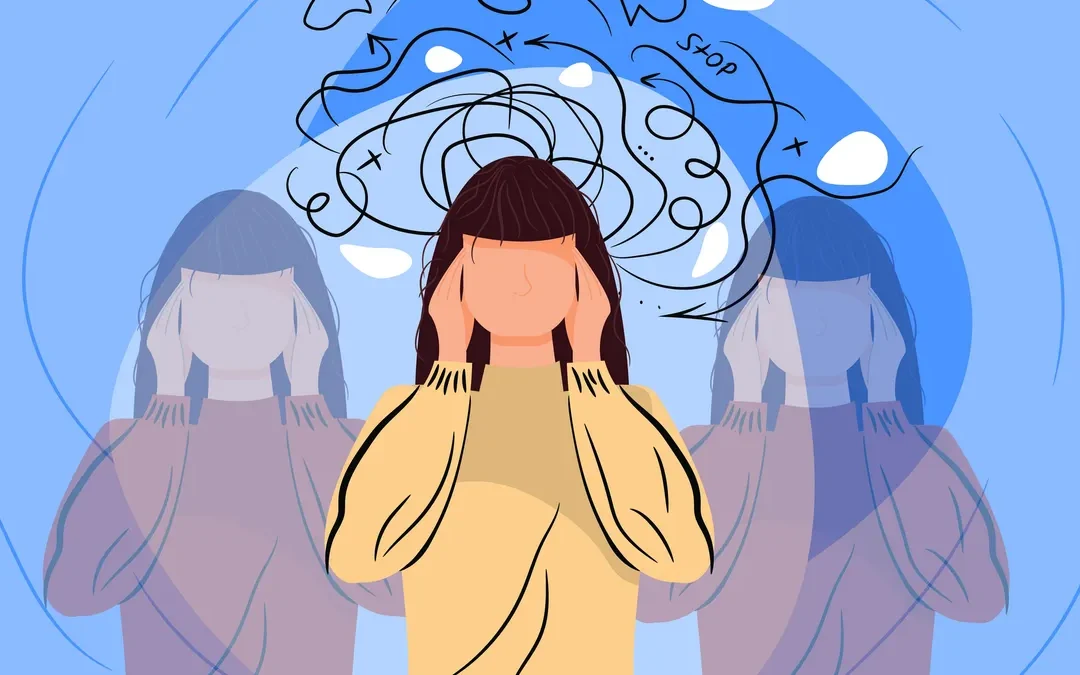
Personality disorders involve lasting patterns that affect emotions, behavior, relationships, and daily functioning, but personalized therapy and professional support can encourage meaningful improvement.
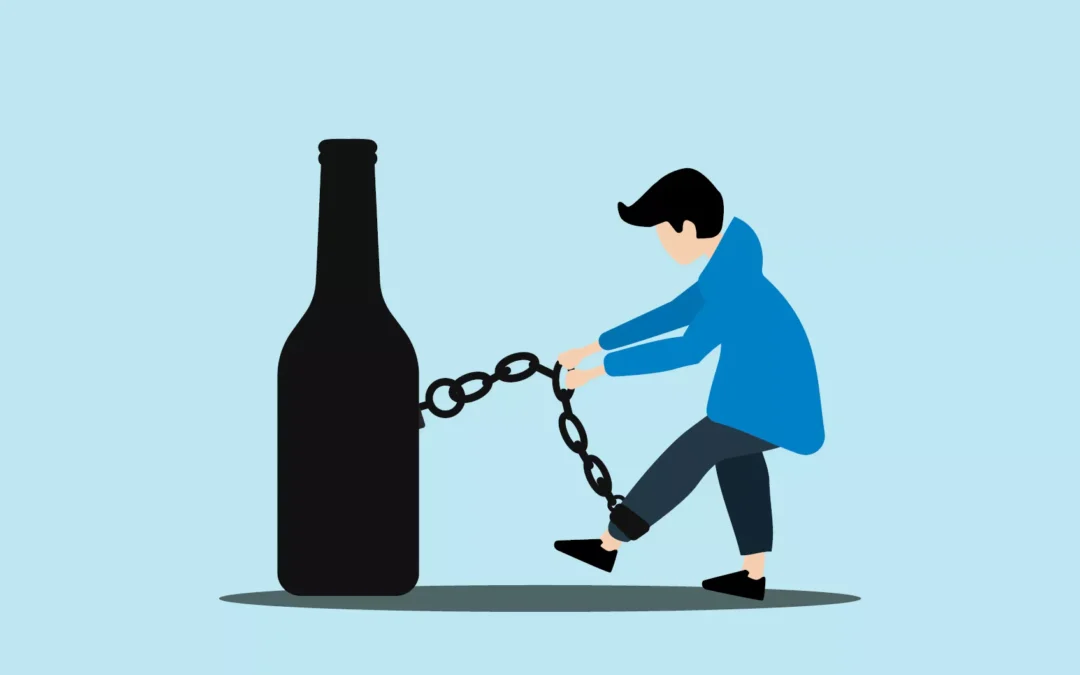
Alcohol addiction, also known as alcoholism or alcohol use disorder (AUD), is a serious and potentially life-threatening condition that affects millions of people worldwide. Knowing when to seek treatment for alcohol addiction can make a profound difference in your health, relationships, and overall quality of life. In this blog post, we’ll discuss key signs that indicate it’s time to seek professional help for alcohol addiction, along with the treatment options available.
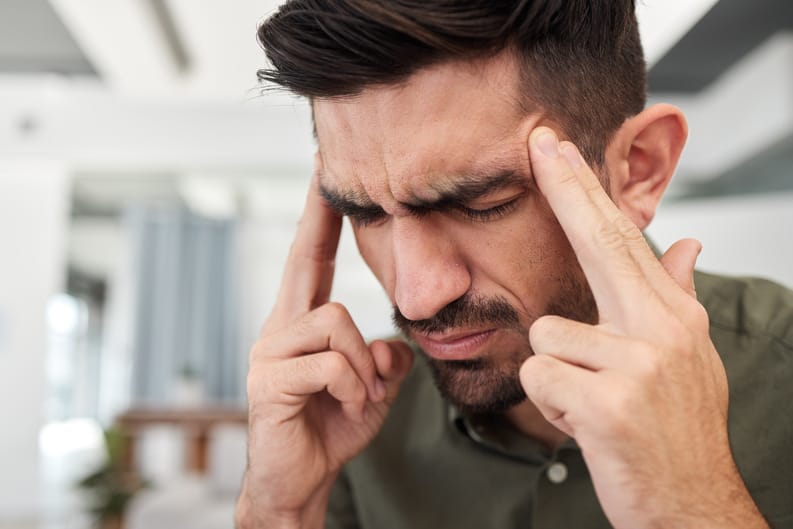
Cocaine addiction is a complex issue that affects individuals physically, psychologically, and socially. The powerful stimulant properties of cocaine can lead to intense cravings and compulsive drug-seeking behavior, making it difficult for users to stop even when they want to. Understanding the nature of cocaine addiction, its treatment options, and the importance of comprehensive recovery programs are crucial steps towards addressing this widespread problem.
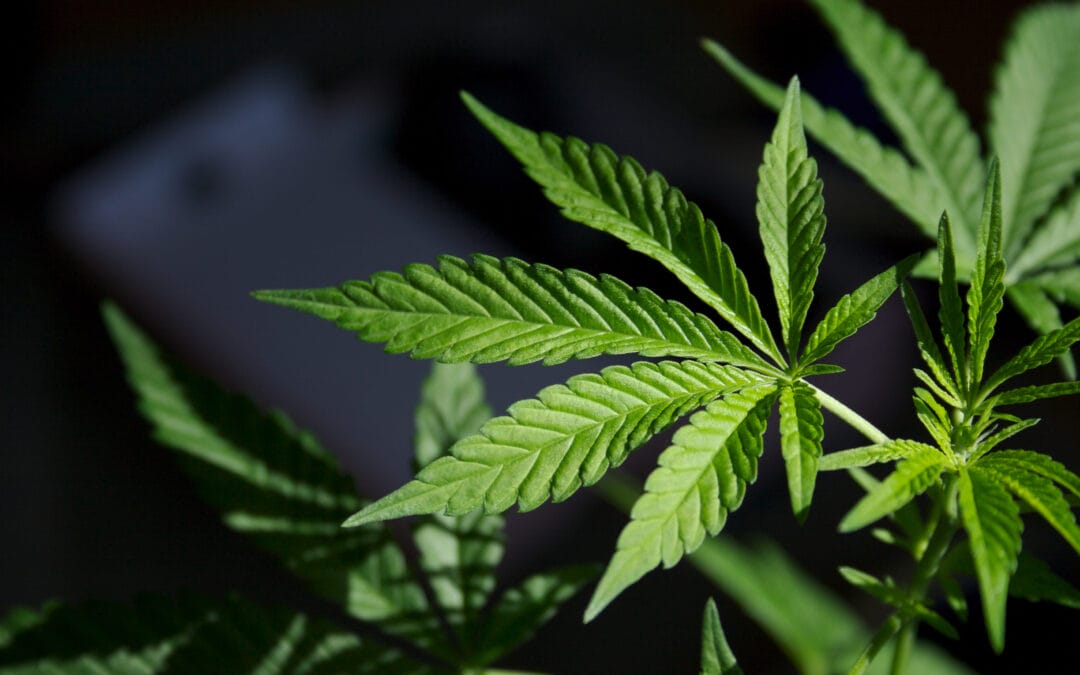
Marijuana, also known as cannabis, is increasingly recognized for its medicinal benefits and recreational use. However, regular and excessive use of marijuana can lead to Cannabis Use Disorder (CUD), which is characterized by a pattern of problematic cannabis use that causes significant impairment or distress. If you’re wondering whether your marijuana use qualifies as addiction, this blog post will explore the signs, symptoms, and factors to consider.
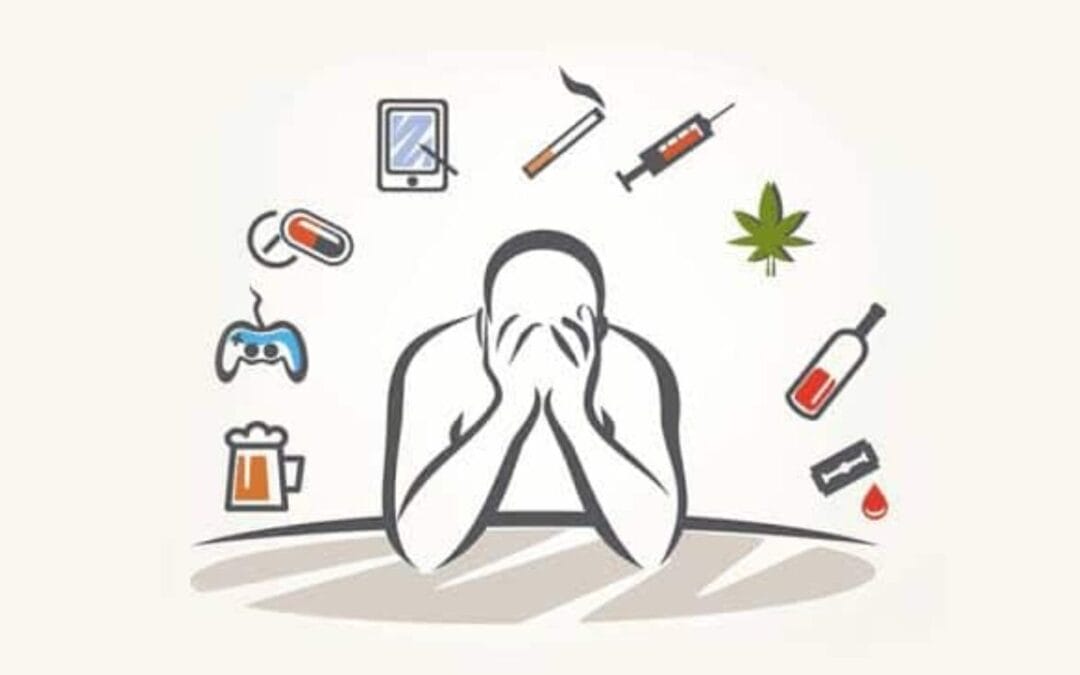
Substance use can gradually affect daily life, mental health, and relationships, and treatment can offer support, stability, and a safer path forward.
Anxiety is a natural response to stress or perceived threats, but when it becomes persistent, overwhelming, and interferes with daily life, it may indicate an anxiety disorder. Knowing when to seek treatment for anxiety is crucial for managing symptoms effectively and improving your quality of life.