


Key Takeaways:
- Withdrawal symptoms can begin before detox arrival, so the admissions team should be contacted immediately to reassess symptoms, transportation, and the safest next step.
- Severe symptoms such as seizures, breathing problems, unconsciousness, extreme confusion, hallucinations, or chest pain require emergency medical care rather than continued travel to detox.
- Mild withdrawal may still allow a planned detox admission when the clinical team confirms it is safe, but symptoms and travel plans should be continuously updated.
The drive to detox may be planned, but withdrawal does not follow an appointment schedule. Shaking, sweating, nausea, anxiety, body aches, or other symptoms can begin while someone is packing, waiting for transportation, or traveling to the treatment center.
That change can feel frightening. It may also create uncertainty about whether the person should continue to the facility, wait for symptoms to improve, or go to an emergency room instead.
Withdrawal beginning before arrival does not automatically cancel admission. It does mean the detox team needs an immediate update. The person’s symptoms, substance-use history, medical condition, location, and distance from the facility can all affect what should happen next.
Mild symptoms may be managed through a planned admission when the clinical team confirms it is safe to continue. Severe symptoms can require emergency medical care before residential detox. Alcohol and benzodiazepine withdrawal are especially important to take seriously because they can lead to seizures, delirium, and other life-threatening complications.
At Midwest Recovery Centers, our admissions team can help evaluate withdrawal before detox admission and explain whether the person should continue toward our Kansas City-area facility, seek emergency care, or take another step. The safest action is to call as soon as symptoms begin rather than waiting to see how severe they become.
“When withdrawal starts before detox, the most important thing is to update the admissions team right away rather than trying to push through the symptoms or guess what will happen next. Mild symptoms may still allow someone to continue with a planned admission, but worsening confusion, seizures, breathing problems, chest pain, or loss of consciousness can mean emergency care needs to come first. Safe detox admission depends on what is happening in the moment, which is why honest communication and a clear transportation plan matter so much.”
– Taylor Brown, CRADC
What Should You Do When Withdrawal Begins Before Arrival?
Contact the detox admissions team as soon as symptoms begin and explain what has changed. Do not wait until arrival, since new symptoms may affect transportation plans, admission instructions, or whether emergency care is needed first.
Be ready to share when the symptoms started, the substances involved, the time and amount of the last use, the person’s usual pattern of use, current location, estimated travel time, medical conditions, medications, and any history of withdrawal complications. Also note whether the person is alert and breathing normally.
The admissions team may ask additional questions to estimate the level of risk. A person who is sweating and anxious but otherwise stable may receive different instructions from someone who is confused, hallucinating, having chest pain, or becoming difficult to wake.
Follow the instructions given by the clinical or emergency team. Do not rely on a general withdrawal timeline found online to decide whether travel is safe. Symptoms vary based on the substance, amount used, length of use, health history, medications, age, and prior withdrawal episodes.
If the person’s condition changes again during the trip, call the facility back. Admission planning should continue to reflect what is happening now, not only what was reported earlier.
Which Early Withdrawal Symptoms May Appear First?
Early symptoms can range from mild discomfort to signs that the nervous system is becoming unstable.
The first changes may include:
- Shaking, sweating, chills, or hot flashes
- Nausea, stomach cramps, diarrhea, or headache
- Muscle or joint pain, yawning, watery eyes, or a runny nose
- Anxiety, irritability, restlessness, or trouble concentrating
- Difficulty sleeping or a rapid heartbeat
- Strong cravings
The type of substance matters. Alcohol withdrawal may begin with shaking, sweating, anxiety, nausea, sleep disruption, or a rising heart rate. In more severe cases, symptoms can progress to hallucinations, seizures, or delirium. Heavy, long-term alcohol use should not be stopped suddenly without medical guidance because withdrawal can become life-threatening.
Opioid withdrawal commonly involves anxiety, sweating, muscle aches, restlessness, nausea, vomiting, diarrhea, stomach cramps, and sleep problems. These symptoms can become intense and may lead someone to return to opioid use, which carries an overdose risk, especially if tolerance has changed.
Stimulant withdrawal may look different. Fatigue, depressed mood, anxiety, cravings, poor concentration, and sleep changes can become more noticeable than shaking or stomach illness. Severe depression, paranoia, or thoughts of self-harm require urgent evaluation.
A person does not need to identify the exact stage of withdrawal. Their job is to report symptoms accurately and follow medical guidance.
When Should Emergency Care Come Before Detox Admission?
Call 911 when symptoms suggest an immediate medical or psychiatric emergency. Do not attempt to complete a long drive to a residential facility while the person is unstable.
Emergency warning signs include:
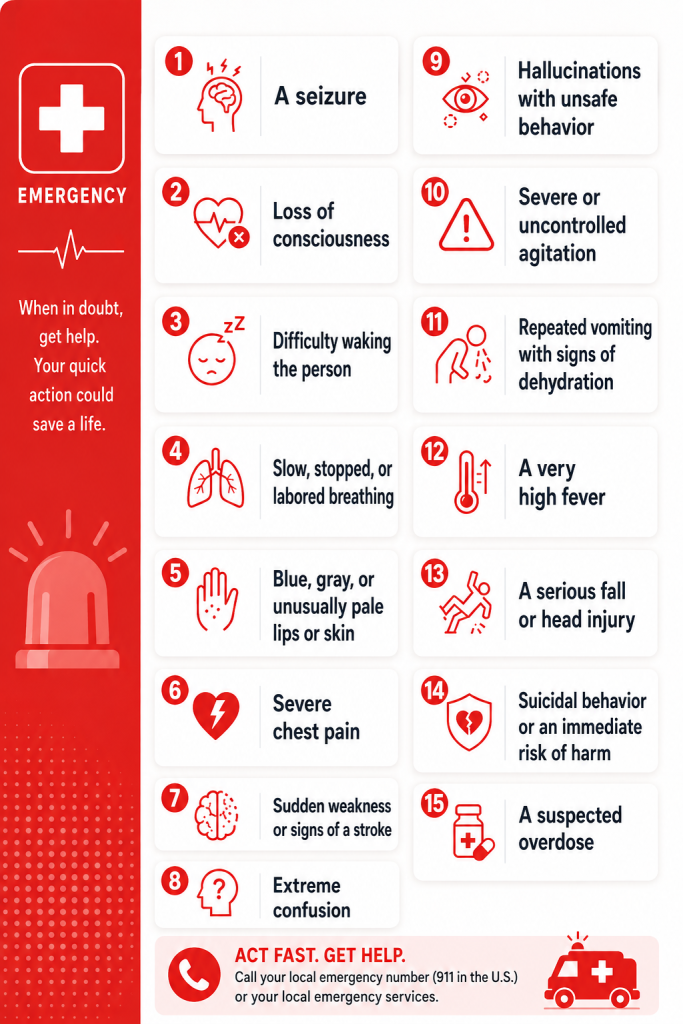
Alcohol withdrawal seizures can occur before every severe symptom is obvious. A history of withdrawal seizures or delirium also raises concern for complicated withdrawal during a future episode.
Benzodiazepine withdrawal deserves similar caution. The FDA warns that abruptly stopping or rapidly reducing benzodiazepines after continued use can cause serious withdrawal reactions, including life-threatening seizures.
Do not drive someone who is actively seizing, severely confused, unconscious, hallucinating, or having trouble breathing. Emergency medical services can begin treatment during transportation and take the person to a setting equipped for immediate stabilization.
Going to an emergency department first does not end the plan for addiction treatment. Once the person is medically stable, the hospital and detox program may be able to coordinate the next placement.
How Does the Substance Affect the Arrival Plan?
Different substances create different withdrawal patterns. The admissions team needs to know about every substance used, not only the one the person considers their primary problem.
| Substance | What to Tell the Detox Team | Key Risks and When to Act |
| Alcohol | Daily drinking patternTime of the last drinkPast seizures or hallucinationsPrevious hospital detoxesHeart, liver, or seizure conditionsUse with sedatives or opioids | Withdrawal can begin even if alcohol was used earlier that day.Call admissions for shaking, sweating, nausea, or anxiety.Call 911 for seizures, severe confusion, hallucinations, chest pain, or major changes in consciousness. |
| Benzodiazepines and Other Sedatives | Medication namePrescribed doseAmount actually takenLength of useTime of the last doseMissed dosesAlcohol, opioid, or sleep medication use | Drugs such as alprazolam, clonazepam, diazepam, and lorazepam can cause physical dependence.Do not abruptly stop prescribed medication.Do not take extra doses unless a licensed clinician directs you to. |
| Opioids | Type of opioid usedAmount and frequencyTime of the last useOther substances usedAny known fentanyl exposure | Common symptoms include:Body aches and sweatingRunny nose and yawningVomiting, diarrhea, or crampsRestlessness and insomniaAnxiety and strong cravingsDehydration and relapse can increase risk. If the person is hard to wake or breathing slowly, give naloxone if available and call 911. |
| Cocaine and Methamphetamine | Substance usedAmount and frequencyTime of the last useOther substances taken at the same time | Withdrawal may cause:Extreme fatigueIrritability or anxietyDepressionSleep changesPoor concentrationStrong cravingsSeek urgent care for chest pain, seizures, overheating, severe agitation, paranoia, or hallucinations. |
| Marijuana and Prescription Drugs | Complete medication listPrescribed dosesHow medications are actually takenRecent marijuana useOther substances used | Marijuana withdrawal may cause:Irritability or nervousnessSleep problemsReduced appetiteRestlessnessHeadaches or unusual dreamsPrescription drugs can carry different withdrawal risks. Include all medications, even those prescribed by a doctor. |
Should You Keep Traveling to Detox Once Symptoms Begin?
That decision should come from the treatment team or emergency clinicians.
Continuing toward the facility may be reasonable when symptoms are mild, the person is stable, transportation is safe, and admissions has confirmed the plan. A change in destination may be necessary if symptoms suggest a medical emergency or the facility needs hospital clearance before accepting the person.
Several details influence the recommendation:
- How severe the symptoms are
- Whether they are worsening rapidly
- The substance involved
- Previous withdrawal complications
- Current medical conditions
- How far away the facility is
- Who is providing transportation
- Whether emergency care is nearby
- Whether the treatment center can manage the person’s current needs
The person experiencing withdrawal should not drive themselves. Anxiety, shaking, nausea, sleep loss, intoxication, or medication effects can impair judgment and coordination.
Use a sober support person or another transportation option approved during the admissions process. Keep a charged phone available, know the route to the nearest emergency department, and follow any instructions provided by the treatment team.
If symptoms become severe during travel, pull over in a safe place and call 911. Do not continue driving simply because the detox facility seems close.
How Can You Prepare for Detox Admission Safely?
Good preparation focuses on accurate information, safe transportation, and basic practical needs. It does not involve trying to complete detox before arrival.
Call Before Leaving
Confirm that the program has completed the necessary screening and is expecting the person.
Share the latest information about:
- Recent substance use
- Withdrawal symptoms
- Medications
- Medical diagnoses
- Mental health symptoms
- Previous detox experiences
- Transportation timing
If symptoms begin after the first call, provide an update.
Gather Medications and Health Information
Bring medications in their original containers when instructed by admissions.
A written list should include:
- Medication names
- Current doses
- The prescribing clinician
- Known allergies
- Medical conditions
- Recent hospital visits
- Previous withdrawal seizures
- Overdose history
Do not change insulin, seizure medication, heart medication, psychiatric medication, or other prescriptions without guidance from an appropriate clinician.
Pack Only Approved Items
Ask the treatment center what clothing, toiletries, identification, and documents are permitted.
Packing guidelines protect safety and reduce delays during arrival. Avoid bringing alcohol, drugs, unapproved supplements, loose medication, weapons, or items that the facility has not authorized.
Eat and Drink Normally When Safe
Follow medical guidance if nausea, vomiting, diabetes, swallowing problems, or another health condition affects eating and drinking.
Do not force large amounts of food or water in an attempt to stop withdrawal. Do not give anything by mouth to someone who is unconscious, having a seizure, or unable to swallow safely.
Avoid Self-Treating With More Substances
Taking another drink or dose may seem like a way to delay withdrawal until admission. In practice, it can complicate the clinical picture, impair transportation, increase overdose risk, or lead to dangerous mixing.
Do not use alcohol, borrowed medication, street drugs, or extra prescription doses to manage symptoms unless a licensed medical professional has given direct instructions.
If the person has already used something after the admissions screening, tell the team. Accurate information is more important than trying to present a perfect admission.
Why Does Treatment Need to Continue After Withdrawal?
Detox addresses the body’s immediate response to stopping alcohol or drugs, but it does not resolve the deeper issues connected to substance use. Cravings, emotional distress, relationship problems, mental health symptoms, unhealthy routines, and environmental triggers can still remain after physical stabilization.
Once detox is complete, treatment can shift toward identifying triggers, managing cravings, improving emotional regulation, addressing depression, anxiety, trauma, or other mental health concerns, and rebuilding healthier daily routines. It can also help strengthen communication, establish better boundaries, develop relapse-prevention strategies, and create a more stable plan for ongoing recovery.
Moving directly from detox into residential treatment can help reduce the gap between medical stabilization and therapeutic care. After several days, a person may feel much better physically and assume the hardest part is over. While that improvement is important, returning home too quickly can expose them to the same stress, access to substances, and routines connected to past use.
Continued treatment provides more time to build and practice healthier coping skills before returning to everyday life.
Midwest Recovery Centers Services
Midwest Recovery Centers was founded in 2016 to fill a gap in comprehensive behavioral health treatment in the Kansas City area. We provide focused treatment for addiction and primary mental health conditions, along with coordinated support for co-occurring disorders.
We are the region’s only private provider offering every level of care from detox to long-term extended support. Our facilities remain small so care can stay personal and clients can feel seen, heard, and involved in their plans.
Our approach supports the whole person—mind, body, and spirit—while emphasizing inclusivity, equity, service, and teachability.
Detox and Residential Addiction Treatment
Detox and Residential treatment make up the first 30 days of our substance use track.
Detox provides medical oversight and continuous nursing support as alcohol or drugs leave the body. Medication-assisted treatment is offered during Detox when clinically appropriate and is not provided as a long-term outpatient maintenance service through our substance use track.
After stabilization, residential treatment may include:
- Cognitive behavioral therapy
- Acceptance and commitment therapy
- Dialectical behavior therapy
- Rational emotive behavior therapy
- Individual and group therapy
- Experiential group work
- Holistic activities
- Support-group integration
- Medical and psychiatric assessments
- Personalized treatment planning
- Goal setting and progress reviews
We treat substance use involving alcohol, heroin and other opioids, methamphetamine, cocaine, marijuana, prescription drugs, and multiple substances.
Phase 1 and Phase 2 Extended Care
After the first 30 days, eligible clients may continue into Phase 1 for approximately 60 days.
Phase 2 may last up to nine months, depending on clinical need. Housing is included in both phases.
This model provides continuing inpatient-style support while clients gradually build independence. The added time allows them to strengthen routines, practice relapse-prevention skills, address co-occurring symptoms, and prepare for community life without an abrupt loss of structure.
Community IOP for Addiction and Mental Health
We offer two Community Intensive Outpatient Programs:
- Community IOP for Substance Use Disorder
- Community IOP for Mental Health
Community IOP is an option for clients who do not want, or are not able, to commit to the long-term housing component. It may serve as a starting point or provide continued structure after a higher level of care.
Medical oversight is available in both tracks and may include:
- Medication management
- Psychiatric evaluations
- Transcranial Magnetic Stimulation
- Long-Acting Injectable medications
- PGx genetic testing
- Telemedicine
Both programs allow clients to participate in structured treatment while living in the community and maintaining appropriate work, school, or family responsibilities.
Residential and Outpatient Mental Health Care
Our Residential Mental Health Program is a 45-day program for primary mental health disorders, not only conditions occurring alongside addiction.
Care may include therapy, psychiatric services, medication management, TMS, fitness, nutrition support, precision medicine, and whole-person activities.
Outpatient mental health services are also available. They may follow residential treatment, but residential care is not required first. Some clients begin directly with outpatient services when that level fits their symptoms and current stability.
Co-Occurring and Clinical Services
Addiction may occur alongside depression, anxiety, trauma symptoms, bipolar disorder, or another mental health diagnosis.
Our shared treatment model supports both concerns through ongoing medical and psychiatric assessments, personalized treatment plans, medication oversight, goal setting, and progress reviews.
PGx genetic testing is available across all levels of care. It may provide clinicians with added information about how a client metabolizes certain medications, supporting more personalized prescribing decisions.
Family Programming
Our Family Program provides education, counseling, encouragement, and practical tools for loved ones affected by substance use or mental illness.
Current options include:
- Virtual Substance Use Disorder Family Programming: Thursdays from 6:30 to 8:00 p.m. Central Time through a four-part monthly rotation
- Virtual Family Program for Mental Health: The third Thursday of each month at 8:00 p.m. Central Time
- In-Person Family Education: “Supporting Their Next Steps: An Aftercare Info Session for Families,” held on the first Wednesday of each month at 7:00 p.m. at 13340 Holmes Road, Kansas City, Missouri 64145
The substance use rotation covers addiction education, enabling, codependency, healthy support, boundaries, self-care, and changing family roles.
Aftercare
Our Aftercare program provides continued support as clients move from structured treatment into daily life, particularly during the first year.
Personalized care may include:
- Regular counselor check-ins
- Individual or group therapy
- Relapse-prevention planning
- Goal reviews
- Community support
- Adjustments to the continuing-care plan
Aftercare helps clients respond to new triggers and pressures before they become another crisis.
Get Help as Soon as Withdrawal Symptoms Begin
Withdrawal symptoms can change the safest next step, so it is important to reach out as soon as they appear. Our admissions team can review the situation, discuss the substances involved, and help determine whether treatment at Midwest Recovery Centers is appropriate or whether medical care should come first.
If symptoms are severe or life-threatening, call 911 immediately.
Contact Midwest Recovery Centers today for guidance on the safest next step and the appropriate level of care.
FAQs
1. What should you do if withdrawal starts before arriving at detox?
Contact the detox admissions team immediately and explain the symptoms, when they began, the substances involved, the last use, current location, and expected travel time. The team can determine whether the original admission plan remains appropriate.
2. Can you still go to detox if withdrawal has already started?
Yes, in some cases. Mild symptoms may be managed through the planned admission when the treatment team confirms that continuing to the facility is safe. More serious symptoms may require hospital evaluation first.
3. When should you call 911 instead of continuing to detox?
Call 911 for symptoms such as seizures, loss of consciousness, breathing difficulties, severe chest pain, extreme confusion, unsafe hallucinations, severe agitation, or a suspected overdose.
4. Should someone experiencing withdrawal drive themselves to detox?
No. Withdrawal symptoms, sleep loss, intoxication, anxiety, or medication effects can impair judgment and coordination. A sober support person or another transportation option approved by admissions is safer.
5. What information should you bring or provide during detox admission?
Be ready to provide details about recent substance use, withdrawal symptoms, medications, medical conditions, previous withdrawal complications, overdose history, mental health symptoms, and the time of the last drink or drug use.