

Key Takeaways:
- Emergency medical care remains important after an overdose, even when naloxone restores breathing or the person appears to have recovered.
- A nonfatal overdose signals continued risk, making prompt follow-up care, naloxone access, and connection to addiction treatment especially important.
- Treatment after an overdose may include medical detox, residential care, mental health treatment, or outpatient support based on individual clinical needs.
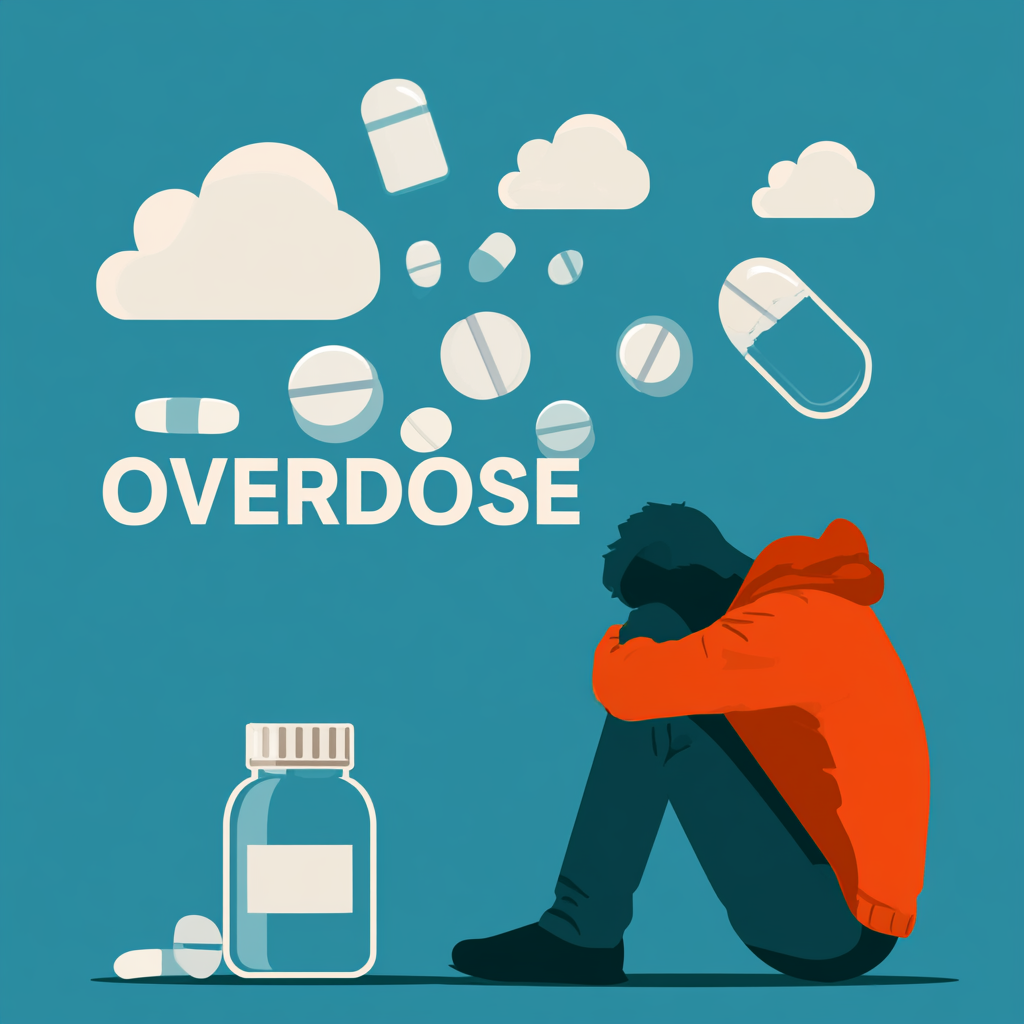
Surviving an overdose can bring a rush of relief. Breathing returns, emergency help arrives, and the immediate fear begins to ease. Yet the hours and days that follow still matter. A person may remain at risk from the substance already in their body, complications caused by the overdose, withdrawal symptoms, or another return to use.
That is why survival should not be treated as the end of the emergency.
International Overdose Awareness Day is observed each year on August 31. The theme for International Overdose Awareness Day 2026 is “25 Years On. Still Needed.” It reflects both remembrance and action: honoring those who have died while continuing to support practical, evidence-based ways to prevent further loss.
For someone who has just survived an overdose, action may include emergency medical evaluation, access to naloxone, a safer discharge plan, and a direct connection to addiction treatment. Loved ones can also help by responding calmly, gathering accurate information, and focusing on the next safe step rather than trying to resolve every consequence at once.
At Midwest Recovery Centers, we help people in the Kansas City area move from an overdose crisis into structured behavioral health care. Depending on clinical needs, that may begin with medical detox, residential treatment, Community IOP, mental health care, or another appropriate level of support.
“Surviving an overdose is an important second chance, but the risk does not disappear once the immediate emergency has passed. After a nonfatal overdose, we want to look closely at withdrawal risk, mental health, previous overdoses, current substance use, and the circumstances that led to the crisis. Treatment after an overdose can help turn that moment into a meaningful change by connecting someone with medical detox, residential care, or another appropriate level of support. Keeping naloxone available and moving quickly toward addiction treatment can also help reduce the risk of another life-threatening emergency.”
– Taylor Brown, CRADC
What Should Happen Immediately After an Overdose?
Emergency care is still necessary even when the person wakes up after receiving naloxone.
Naloxone can temporarily reverse an opioid overdose by blocking opioid effects and helping restore breathing. However, opioids may remain active longer than naloxone. Symptoms can return after the medication begins to wear off, and the person may have other medical complications that are not visible at first.
When an opioid overdose is suspected:
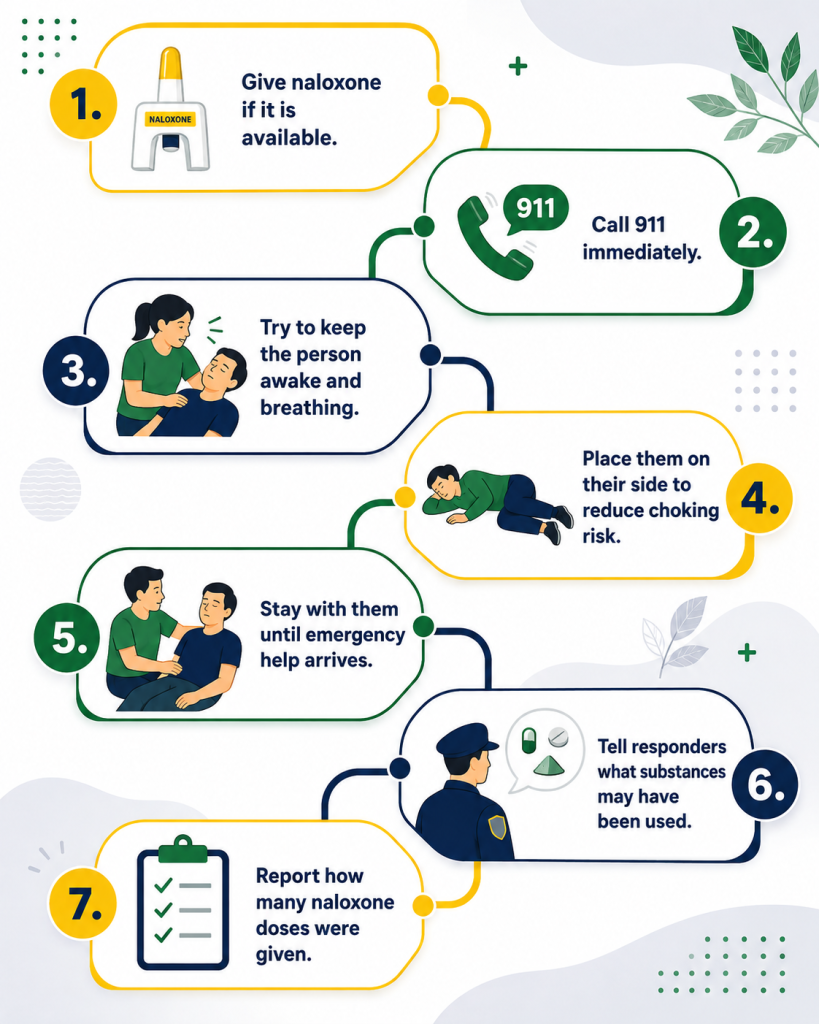
Do not assume the person is safe because they begin talking or insist they do not need help. Confusion, fear, embarrassment, or sudden withdrawal can make someone want to leave before the medical risk has passed.
An overdose involving cocaine, methamphetamine, alcohol, sedatives, or several substances may require a different emergency response. Naloxone only reverses opioids. It does not treat stimulant toxicity, alcohol poisoning, heat stroke, a heart attack, or a seizure.
Call 911 for any suspected overdose. Fast action can prevent brain injury and death. Current federal guidance continues to recommend naloxone and immediate medical assistance when an opioid overdose is suspected.
Why Is the Period After a Nonfatal Overdose So Important?
A nonfatal overdose is a serious warning that another overdose could happen.
The circumstances that led to the emergency may still be present after hospital discharge. The person may return to the same drug supply, social circle, living environment, stress, pain, or mental health symptoms. Their tolerance may also change, making a previously familiar amount more dangerous.
A federal study of approximately 137,000 Medicare beneficiaries who experienced a nonfatal overdose found that 17.4% had another nonfatal overdose within the following year, while about 1% died from an overdose. The study also found that evidence-based care, including behavioral health services, naloxone, and medications for opioid use disorder when appropriate, was associated with a lower risk of later overdose death.
The days after survival can bring strong cravings, withdrawal symptoms, fear, shame, depression, physical pain, memory gaps, and disrupted sleep. A person may also face conflict with loved ones, feel tempted to minimize what happened, or feel pressure to return to work and daily responsibilities before they are fully ready.
A person may also feel physically better and conclude that treatment is unnecessary. That relief can be misleading. Emergency care treats the immediate medical crisis, not every factor connected to ongoing substance use.
What Medical Follow-Up May Be Needed?
The hospital or emergency department may evaluate breathing, oxygen levels, heart rhythm, injuries, body temperature, and mental status. The team may also look for complications caused by low oxygen, aspiration, falls, infections, or substances taken together.
Medical follow-up can be especially important when:
- The person stopped breathing
- Naloxone was required
- More than one substance was involved
- The substance was unknown
- A seizure occurred
- There was a fall or head injury
- Chest pain developed
- The person has diabetes or heart disease
- Pregnancy is possible
- Suicidal intent may have been involved
- Alcohol or benzodiazepine dependence is present
An overdose may also reveal a second risk: withdrawal.
Someone who overdosed on opioids may also drink heavily or take benzodiazepines regularly. Once they leave the hospital and stop using, alcohol or sedative withdrawal may begin. These withdrawal syndromes can become medically dangerous and may include seizures, hallucinations, or severe confusion.
The hospital should receive an accurate account of all recent substance use, not only the drug believed to have caused the overdose.
Before discharge, ask for clear written information about:
- Medications given during emergency care
- New prescriptions
- Symptoms that require a return to the hospital
- Withdrawal concerns
- Follow-up appointments
- Naloxone access
- Mental health recommendations
- Referrals for addiction treatment
Discharge should lead to another level of care when ongoing risk remains.
How Can Treatment After an Overdose Begin?
Treatment after an overdose can begin while the person is still in the hospital. Starting the process early can make the transition into continued care more organized and reduce gaps in support.
Step 1: Request an Admissions Screening
A social worker, case manager, loved one, or the patient can contact a treatment center to begin an admissions screening. This gives the receiving program time to review the overdose, medical needs, substance-use history, and possible treatment options.
Step 2: Review Medical and Substance-Use History
During the screening, the admissions team may ask about the substances involved, recent use, previous overdoses, naloxone administration, withdrawal symptoms, current medications, and any alcohol or benzodiazepine use. Mental health symptoms, previous treatment, home stability, and willingness to enter care may also be discussed.
Step 3: Determine the Appropriate Level of Care
An emergency room discharge does not automatically mean someone is ready for residential treatment. Each person needs an individual assessment. Depending on their condition, the next step could include continued hospital care, psychiatric stabilization, medical detox, residential treatment, an intensive outpatient program, outpatient mental health care, or another appropriate placement.
Step 4: Coordinate the Transition
A direct hospital-to-treatment transfer may be possible when the person is medically stable, meets admission criteria, and an appropriate placement is available. When an immediate transfer cannot happen, the hospital and treatment provider can help establish a clear plan for care, medications, safety, and follow-up until the next placement begins.
Why Might Medical Detox Come Before Residential Treatment?
An overdose reversal does not complete the detox process.
Naloxone may cause rapid opioid withdrawal in someone who is physically dependent. The person may experience sweating, nausea, vomiting, diarrhea, anxiety, body aches, restlessness, and intense cravings.
Alcohol or benzodiazepine dependence creates different concerns. Withdrawal from these substances can become dangerous when use stops abruptly.
Medical detox may be recommended when the person:
- Uses alcohol heavily or daily
- Takes benzodiazepines regularly
- Has a history of withdrawal seizures
- Has experienced delirium or hallucinations
- Uses several substances
- Has significant medical conditions
- Has repeatedly returned to use to stop withdrawal
- Is unable to remain stable outside a monitored setting
At Midwest Recovery Centers, Detox and Residential care make up the first 30 days of our substance use track. Detox provides supervised support as alcohol or drugs leave the body. Medication-assisted treatment is offered only during Detox when clinically appropriate.
Once the immediate withdrawal risk is controlled, residential treatment can address cravings, thought patterns, emotional regulation, mental health symptoms, relationships, and relapse risk.
Detox saves the body from the immediate effects of stopping. Continued treatment helps the person build a life that does not keep leading back to overdose.
What Can Reduce the Risk of Another Overdose While Treatment Is Arranged?
The safest response is to begin treatment promptly. When there is a gap before admission, several steps may lower immediate risk.
Keep Naloxone Accessible
Naloxone should be kept where it can be reached quickly. Loved ones and close contacts should know where it is and how to administer it.
Do not lock the only supply somewhere that cannot be opened during an emergency.
Avoid Using Alone
A person who loses consciousness cannot call 911 or give themselves naloxone.
Using alone greatly reduces the chance that someone will notice slowed breathing and respond in time.
Do Not Mix Substances
Combining opioids with alcohol or benzodiazepines can increase breathing suppression. Mixing stimulants with other stimulants can add strain to the heart and raise the risk of seizures, overheating, or stroke.
A stimulant does not cancel out an opioid or sedative. The person may feel more alert while dangerous effects continue.
Expect Changes in Tolerance
Tolerance can decrease after hospitalization, detox, incarceration, or any period of reduced use. Returning to a previous amount can cause an overdose, particularly with opioids.
Treat Unknown Pills and Powders as High Risk
Counterfeit pills may resemble legitimate prescription medication while containing fentanyl or other unexpected substances.
The person cannot rely on appearance, color, or a past experience with the same supplier to know what is present.
Seek Emergency Help Again When Needed
Call 911 if overdose symptoms return. Do not wait for a scheduled treatment admission when the person is difficult to wake, breathing abnormally, having a seizure, or experiencing severe chest pain or confusion.
How Can Mental Health Affect Overdose Risk?
An overdose may occur alongside depression, anxiety, trauma, bipolar disorder, psychosis, chronic pain, or suicidal thoughts. In some cases, the person intended to become intoxicated and took more than expected. In others, the overdose may have involved suicidal intent or a period of hopelessness in which survival felt less important. Both situations require careful follow-up.
| Mental Health Factor | How It May Increase Overdose Risk |
| Judgment and impulse control | Distress can make it harder to assess risk or stop substance use. |
| Sleep problems | Poor sleep may worsen cravings, mood changes, and decision-making. |
| Hopelessness or isolation | A person may take greater risks or become less willing to seek help. |
| Medication use | Mental health medications may interact with alcohol or other drugs. |
| Chronic or emotional pain | Substance use may become a way to temporarily manage distress or discomfort. |
| Intense cravings | Anxiety, depression, trauma symptoms, and stress may make urges harder to manage. |
| Suicidal thinking | An overdose may sometimes be connected to intentional self-harm and require immediate psychiatric care. |
A psychiatric assessment may be recommended before or alongside addiction treatment. At Midwest Recovery Centers, we provide dedicated addiction treatment as well as separate primary mental health services, with coordinated care available for clients experiencing both concerns.
Addressing substance use and mental health together can create a more complete treatment plan and reduce the chance that one condition continues to worsen the other.
How Does International Overdose Awareness Day Turn Remembrance Into Action?
International Overdose Awareness Day is the world’s largest campaign to end overdose. Communities observe it on August 31 by remembering those who have died, supporting those affected, sharing overdose-prevention information, hosting vigils, lighting buildings purple, and advocating for evidence-based responses.
The day matters because overdose affects more than the person who used the substance.
Parents, children, partners, friends, coworkers, clinicians, emergency responders, and entire communities carry the impact. Some are grieving a death. Others live with the fear that the next phone call will bring devastating news.
For International Overdose Awareness Day 2026, action can include:
- Learning how to recognize an overdose
- Carrying naloxone
- Teaching relatives how to use it
- Checking medication storage
- Talking openly about fentanyl risks
- Encouraging treatment without shaming
- Attending a local remembrance event
- Supporting someone after a nonfatal overdose
- Contacting a treatment provider before another crisis
- Remembering a person who died without reducing their life to the way they died
Awareness has value when it changes what happens next.
Midwest Recovery Centers Services
Midwest Recovery Centers provides comprehensive behavioral health care in the Kansas City area for patients facing addiction, primary mental health concerns, and co-occurring conditions.
Our continuum of care supports clients across multiple levels of treatment while maintaining a smaller, more personal setting. We take a whole-person approach that considers the mind, body, and spirit, with care grounded in inclusivity, equity, service, and respect.
Detox and Residential Addiction Treatment
Detox and Residential treatment make up the first 30 days of our substance use track. This may be an appropriate starting point following an overdose when the person is medically stable but still needs withdrawal care and a structured environment.
Detox includes supervised stabilization. Medication-assisted treatment is available only during Detox when clinically appropriate.
Residential care may include:
- Cognitive behavioral therapy
- Acceptance and commitment therapy
- Dialectical behavior therapy
- Rational emotive behavior therapy
- Individual and group therapy
- Experiential group work
- Holistic activities
- Support-group integration
- Medical and psychiatric assessments
- Personalized treatment planning
- Measurable clinical goals
We treat substance use involving alcohol, heroin and other opioids, methamphetamine, cocaine, marijuana, prescription drugs, and multiple substances.
Phase 1 and Phase 2 Extended Care
Clients may move from the initial 30 days into Phase 1 for approximately 60 days.
Phase 2 can continue for up to nine months based on individual need. Housing is included in both phases.
This model provides continuing inpatient-style structure while clients gradually take on more independence. It creates time to address relapse patterns, rebuild routines, strengthen relationships, and prepare for community life without making an abrupt transition from residential care to complete independence.
Community IOP for Substance Use and Mental Health
We offer two Community Intensive Outpatient Programs:
- Community IOP for Substance Use Disorder
- Community IOP for Mental Health
Community IOP is designed for people who do not want, or are not able, to commit to the long-term housing component. It may be a starting level of care or a step down from residential or extended treatment.
Medical oversight is available in both Community IOP tracks and may include:
- Medication management
- Psychiatric evaluations
- Transcranial Magnetic Stimulation
- Long-Acting Injectable medications
- PGx genetic testing
- Telemedicine
Community IOP allows clients to receive structured treatment while living in the community and managing appropriate work, school, or family responsibilities.
Residential and Outpatient Mental Health Care
Our Residential Mental Health Program provides 45 days of structured care for primary mental health disorders, not only conditions that occur alongside addiction.
Treatment may include therapy, psychiatric care, medication management, primary care support, TMS, precision medicine, nutrition, fitness, and case management.
Outpatient mental health services are also available. They can follow residential treatment, but they do not have to. Some clients begin directly with outpatient services when their symptoms can be treated safely without residential care.
Clinical and Co-Occurring Disorder Services
Our clinical services include ongoing medical and psychiatric assessments, personalized treatment plans, medication oversight, goal setting, and progress reviews.
PGx genetic testing is available across all levels of care. It may provide clinicians with additional information about how a client processes certain medications, supporting more personalized decisions alongside symptoms, health history, and previous responses.
For clients with both addiction and a mental health diagnosis, our coordinated model helps address the conditions together rather than placing them into unrelated treatment plans.
Family Programming
Our Family Program provides education, counseling, connection, and practical support for loved ones affected by addiction or mental illness.
Virtual Substance Use Disorder Family Programming is held on Thursdays from 6:30 to 8:00 p.m. Central Time through a four-part monthly rotation:
- First Thursday: addiction education, causes, family dynamics, and what to expect at Midwest Recovery Centers
- Second Thursday: enabling, healthy support, grief, and codependency
- Third Thursday: healthy boundaries before, during, and after treatment
- Fourth Thursday: detaching with love, self-care, and changing family roles
The Virtual Family Program for Mental Health meets on the third Thursday of each month at 8:00 p.m. Central Time.
Our in-person session, “Supporting Their Next Steps: An Aftercare Info Session for Families,” takes place on the first Wednesday of each month at 7:00 p.m. at our Main Outpatient Campus, 13340 Holmes Road, Kansas City, Missouri 64145.
Aftercare
Our Aftercare program supports continued sobriety as clients transition from structured care into everyday life, particularly during the first year.
Personalized support may include:
- Regular counselor check-ins
- Individual or group therapy
- Relapse-prevention planning
- Goal reviews
- Community support
- Adjustments to the continuing-care plan
Aftercare keeps support available after the urgency of an overdose or residential admission begins to fade.
Treatment Outcomes at Midwest Recovery Centers
At Midwest Recovery Centers, we track progress throughout care so changes in recovery and mental health are easier to identify and support. Regular check-ins help us monitor cravings, sleep, mood, substance-use patterns, and risk of return to use. We often use tools such as the Brief Addiction Monitor (BAM), along with established mental health assessments, to measure how symptoms change over time.
Our 2024–2025 outcomes data showed meaningful improvements across several areas:
| Outcome Measured | Improvement While in Care |
| Alcohol, drug, marijuana, sedative, and overall substance use | 100% reduction |
| Risk of substance use | 64% decrease |
| Cravings | About 55% decrease |
| Sleep problems | Up to 81% improvement |
| Mood concerns | 75% decrease |
| Satisfaction with recovery | About 80% improvement |
| Spirituality | About 26% improvement |
| Depression symptoms (PHQ-9) | 87% decrease |
| Anxiety symptoms (GAD-7) | Up to 78% improvement |
Clients in our mental health programs also showed substantial improvement in depression and anxiety symptoms. PTSD symptoms measured with the PCL-5 trended downward across follow-up assessments as well.
Every person responds to treatment differently, so these results do not guarantee the same outcome for every client. They do, however, show the kind of progress that can occur when treatment is structured, regularly evaluated, and adjusted to meet each person’s needs.
Turn Survival Into a Step Toward Recovery
Surviving an overdose can be a turning point. Once the immediate medical crisis has passed, the focus can shift to withdrawal safety, mental health needs, relapse risk, and the level of care that best fits the situation.
If an overdose may be happening now, give naloxone when opioids could be involved and call 911 immediately.
Do not wait for another emergency to take the next step. Contact Midwest Recovery Centers today to discuss treatment options and determine the most appropriate level of support.
This International Overdose Awareness Day, honor survival by choosing care, support, and a safer path forward.
FAQs
1. What should you do immediately after someone survives an overdose?
Call 911, give naloxone when an opioid overdose is suspected, keep the person breathing if possible, place them on their side, and stay with them until emergency help arrives.
2. Does someone still need medical care after naloxone works?
Yes. Naloxone may wear off while opioids remain active in the body, allowing overdose symptoms to return. Other medical complications may also require evaluation.
3. Why is treatment important after a nonfatal overdose?
The circumstances that contributed to the overdose may still be present after discharge, including cravings, withdrawal, mental health symptoms, environmental triggers, and access to the same substances.
4. Can someone enter addiction treatment directly after an overdose?
Treatment planning can begin while the person is still in the hospital. Depending on medical stability and clinical needs, the next step may include detox, residential care, Community IOP, mental health treatment, or another placement.
5. How can loved ones help after an overdose?
Loved ones can keep naloxone accessible, follow discharge instructions, monitor for returning symptoms, secure substances and medications, communicate calmly, and help connect the person with professional treatment.